Anyone travelling between the two Harams eventually asks the same question: is it better to take the Haramain train or a taxi for the Makkah to Madinah leg of an Umrah trip? Both cover the same roughly 420 to 450 km, and both are used by pilgrims every day. This guide compares them honestly, on what each actually involves, without inventing figures for the parts we cannot confirm.
The taxi option
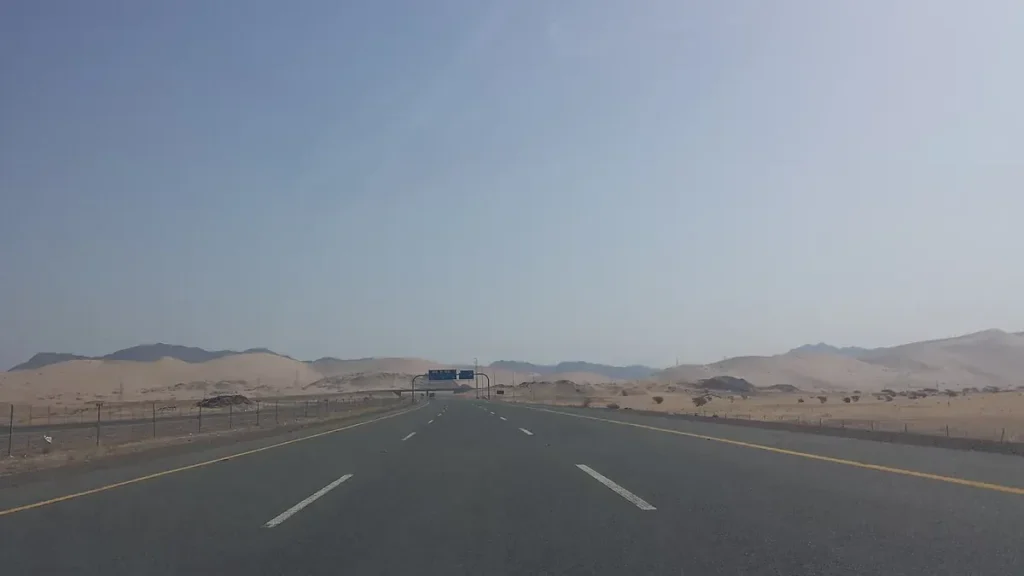
A private taxi for this route is a single fixed fare for the whole vehicle, door to door, agreed in writing before you travel. Our Makkah to Madinah transfer starts at SAR 450 for a Camry or Sonata, up to SAR 1,200 for a 44 seat coach, and the journey usually takes 4 to 5 hours depending on traffic and how many stops you take.
What a taxi gives you that the train does not:
- Door to door. The vehicle collects you from your Makkah hotel lobby and drops you at your Madinah hotel, with no transfer in between.
- Prayer stops included. The driver stops for salah on the way, as part of the journey rather than an extra charge.
- One party, one vehicle. You are not sharing the car or the carriage with strangers, and there is no timetable to catch.
- Luggage without a second thought. Bags travel in the boot with you, up to the vehicle’s stated capacity, with no separate check-in.
- Flexible timing. Leave when you are ready, whether that is straight after Fajr or late at night, at the same fare either way.
The Haramain train option
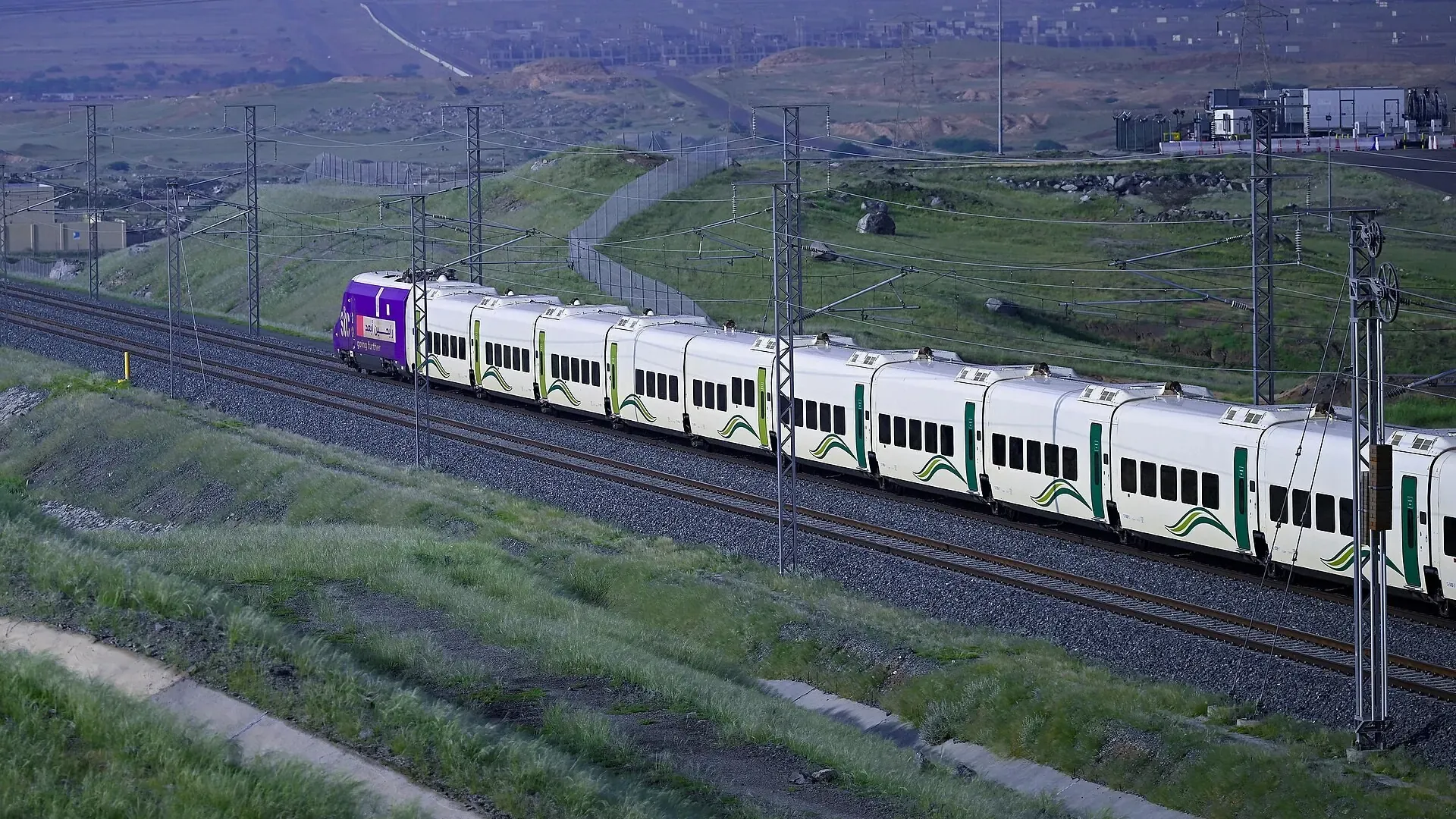
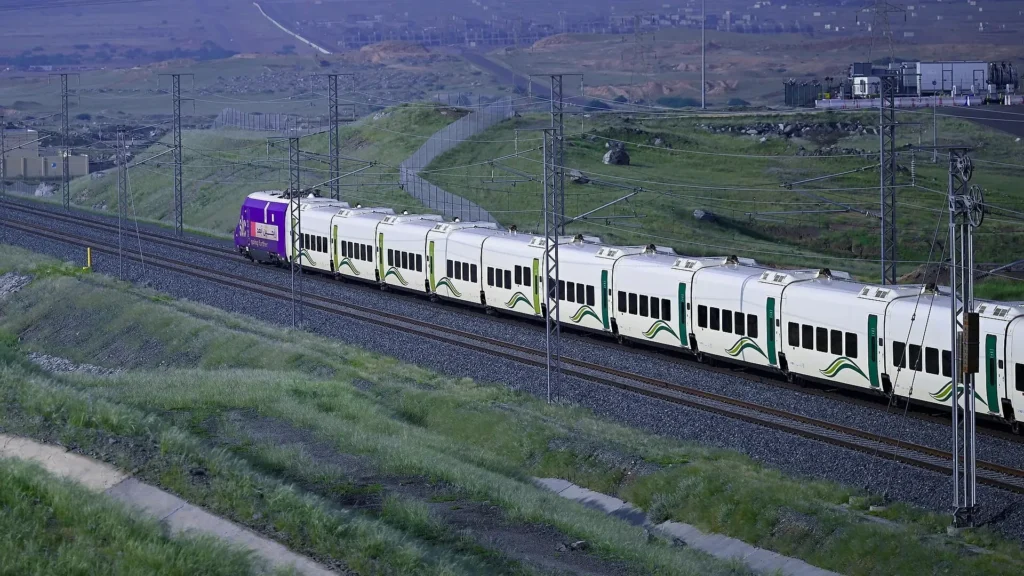
The Haramain high-speed railway runs between Makkah, Madinah, Jeddah and King Abdulaziz International Airport, and it is the fastest way to cover the distance between the two cities in terms of time actually on the move. Two things about the train matter for planning your journey:
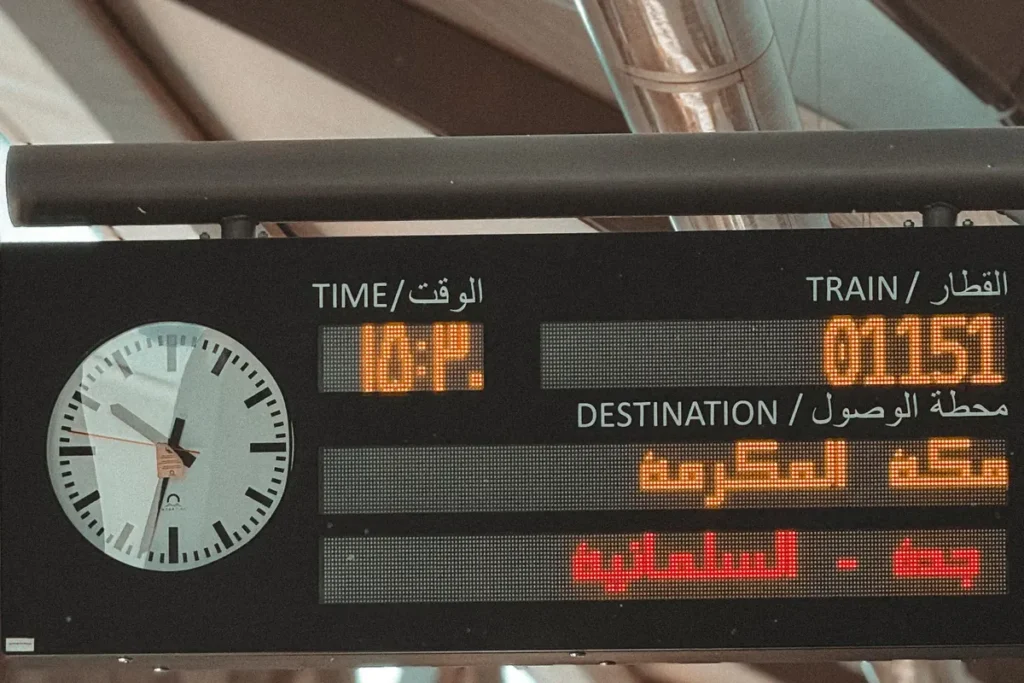
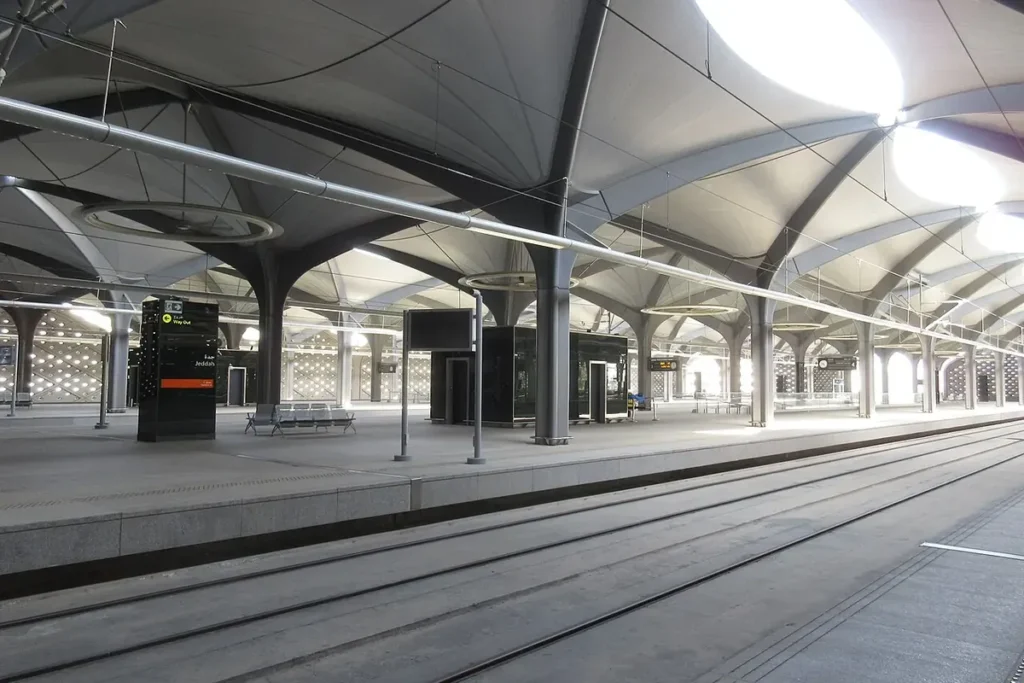
- It runs between stations, not hotels. The Makkah and Madinah Haramain stations sit outside the immediate Haram district in each city, so you need a taxi to get from your hotel to the station, and another from the station to your hotel at the other end. See Makkah Haramain station taxi and Madinah Haramain station taxi for those legs, each from SAR 100 for the whole vehicle.
What the train gives you that a taxi does not: less time spent physically travelling for the Makkah to Madinah stretch itself, and a fixed timetable if that suits your plans better than an on-demand departure.
What to weigh against that: two station transfers, a fixed departure time rather than leaving when you are ready, luggage handling at both stations, and no door-to-door drop at your hotel.
Side by side
| Taxi | Haramain train | |
|---|---|---|
| Where it starts and ends | Your hotel lobby, both ends | The Haramain station, not your hotel |
| Typical time for this leg | 4 to 5 hrs, door to door | Faster running time, but add both station transfers |
| Prayer stops | Included in the journey | Not applicable while on board |
| Group and luggage | One vehicle, your party only | Per-seat ticketing, luggage per passenger |
Which suits you
A private taxi tends to suit families with young children or elderly parents, groups travelling together who want one vehicle and no transfers, and anyone who wants to leave on their own schedule rather than a train timetable. The train can suit a smaller party comfortable managing their own bags through two stations, who values a fixed running time on this leg over door-to-door convenience.
Many people also combine both: taking the train between the cities and booking a taxi only for the two short station transfers, which is exactly what our Makkah station and Madinah station pages, and the umrah transport packages page, are built around.
Practical points that affect the choice
Group size changes the arithmetic. A private taxi is priced for the whole vehicle, so the more of you there are, the better a single fixed fare compares to buying several individual train tickets. A solo traveller or a couple is more likely to find the train’s per-seat pricing competitive, once a current fare is confirmed; a family of five or a group of eight is more likely to find the taxi’s whole-vehicle fare the simpler and often more economical choice.
Luggage and Zamzam matter more than people expect. A taxi carries your bags in the boot up to the vehicle’s stated capacity, with nothing charged by the bag. On the train, luggage travels with you as a passenger, so a family carrying Zamzam containers on the way back needs to plan how those containers move through the station rather than simply loading a car boot.
Prayer timing works differently on each option. A taxi driver stops for salah as part of the journey, at whichever point suits the prayer time you are travelling through. On the train, prayer during the journey happens on board or not at all, since the train does not stop for it along the way.
Elderly or less mobile travellers. A taxi collects you at your hotel lobby and drops you at the next one, with no walking beyond getting in and out of the vehicle. The train involves walking through two stations, at each end of the journey, which is worth weighing for anyone travelling with a parent who finds walking or standing for long periods difficult.
Flexibility around your wider itinerary. If your plans are firm well in advance, either option works. If you are still deciding when to leave Makkah, a taxi lets you decide on the day, while the train needs a booked seat on a fixed departure.
Booking either option with us
For the taxi, either direction is booked the same way: send your Makkah or Madinah hotel, your travel date, and how many of you there are, and the published fare for your chosen vehicle comes back in writing. See Makkah to Madinah or Madinah to Makkah for the full fare tables across all seven vehicle classes.
For the train, we do not sell train tickets. What we book is the taxi leg at each end: from your Makkah hotel to the Makkah Haramain station, and from the Madinah Haramain station to your Madinah hotel, or the reverse. Both of those transfers are priced from SAR 100 for the whole vehicle. If your trip combines the train with taxi transfers elsewhere, such as an airport arrival or a ziyarat tour, see umrah transport packages for how those fares add together for a full itinerary.
Common questions
Usually 4 to 5 hours, covering about 420 to 450 km, depending on traffic and how many stops you take on the way.
It depends on party size and current train fares.
Roughly 420 to 450 km, depending on the exact start and end points within each city.
Still have a question?
Ask on WhatsApp in Arabic, English or Urdu, at any hour.
Book either leg
Whichever you choose, we can book the vehicle you need: the full Makkah to Madinah taxi, the reverse Madinah to Makkah, or just the Makkah and Madinah station transfers if you are taking the train.